
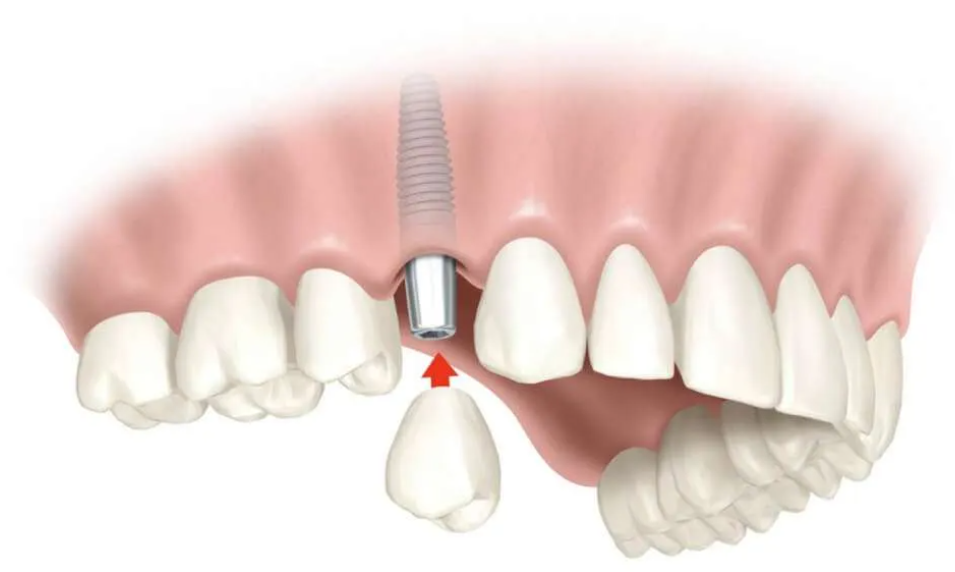
Implants are often considered as a long-term solution. Although for clinicians, the actual work isn’t over after the implant is fixed; it begins there.
After every successful implant, a series of follow-ups is required from the patient. This needs time, professional expertise, and ongoing clinical judgement of the dentist. A lot of this workload remains hidden, yet it plays an important role in long-term outcomes.
What happens in Implant Follow-Ups
Implant follow-ups are more extensive than a regular check. Clinicians carefully monitor:
• Bone stability and Osseointegration
• Soft-tissue condition and signs of inflammation
• Occlusion and functional loading
• Hygiene habits of patient and compliance
Every visit to the clinic may result in the early detection and prevention of a complication.
The Work Patients Unaware of
Implant follow-ups often require reviews:
• Periodic Radiographic comparisons
• Detailed assessments of soft-tissue
• Bite adjustments with changing oral dynamics
• Reassuring and educating patient
• Coordination with specialists or labs when required
These are routine tasks that may not be there on the schedule—but they decide the outcomes.
Why should you take Follow-Ups seriously
Dental implant procedures usually have a good success rate. However, consistent follow-ups and maintenance protocols are often not taken seriously. This is one of the key elements that is essential for ensuring long-term efficacy and preventing complications.
Routine hygiene visits are usually predictable, but implant follow-ups are different. A normal review can quickly create a situation that may demand a complex clinical decision, requiring:
• Extended session at clinic
• Highly professional teams
• Correct documentation
• Effective recall systems
This is a huge operational responsibility for modern practices.
How Clinicians Manage it
Dental clinics manage this hidden workload through:
• Follow-up protocols
• Risk-based recall schedules
• Effective delegation within the care team
• Documentation tools and Digital imaging
• Powerful patient involvement strategies
Clinicians don’t focus just on efficiency; it’s on prevention and longevity.
Claims
Build Bone Density
MED produces better bone density by delivering stronger and more reliable anchorage than passive surface technologies.
Support the Microbiome
PEMF therapy helps control bacterial colonisation, while the MED as a Healing Abutment actively promotes a healthier microbial profile in comparison to passive control abutments.
Accelerate Osseointegration by two-thirds
Magdent MED supports faster and stronger osseointegration by stimulating early bone integration and by increasing bone ingrowth onto implants at the cellular level.
Why is it Important
The success of an implant not only depends on the follow-up care but also on the surgical skills of the clinician. If clinicians manage their job well, patients are rewarded by getting fewer complications, long-lasting implants, and excellent outcomes.
Final thought:
Implant dentistry is not only about the placement. The hidden work of follow-up care is what benefits patients and brings long-term success.
If your practice is giving a second thought as to how implant follow-ups should be scheduled or tracked, this is an important area to review. Listen to their advice because even small improvements now can make a big difference in the long run.